
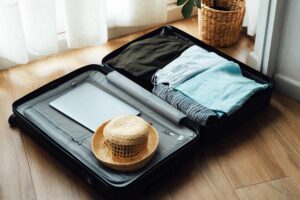
This framework gives you enough variety without encouraging overpacking. It also makes outfit planning much easier, especially if you stick to neutral colors and pieces that work together.
The best packing essentials are the ones that support your trip without weighing you down. One useful reality check is to look at anything packed for a very unlikely scenario. If an item has only one narrow use, it may not deserve space in your bag. For example, one neutral jacket is often more practical than packing several outer layers “just in case.”
Before you zip your suitcase, take a few minutes to review your itinerary, check the weather forecast, and think about laundry access. Those small details can help you fine-tune your list and pack with more confidence.
Packing Essentials for Every Trip
No matter where you are going, there are some basics that belong on nearly every packing list. Starting with a reliable core set of essentials makes travel easier and reduces the chance of last-minute panic. A 2023 survey by The Vacationer found that many travelers forget at least one important item—most often chargers, toiletries, or medications.
Start with the non-negotiables:
- Travel documents: ID, passport, boarding passes, visa paperwork, and travel insurance details
- Money and access: credit or debit cards, a small amount of cash, and local currency if needed
- Health basics: prescription medications, pain relievers, bandages, and hand sanitizer
- Tech essentials: phone, charger, power bank, and a plug adapter for international travel
- Clothing foundation: underwear, socks, one extra outfit, sleepwear, and weather-appropriate layers
- Toiletries: toothbrush, toothpaste, deodorant, skincare basics, and a compact toiletry bag
For short trips, another simple strategy is the 3-2-1 method:
- 3 tops
- 2 bottoms
- 1 versatile pair of shoes
This works especially well for a quick city break or overnight stay, where a few mix-and-match pieces are all you really need.
If you are flying with a carry-on, do not forget the TSA’s 3-1-1 liquids rule: liquids must be in containers no larger than 3.4 ounces, placed in one quart-size bag, with one bag allowed per passenger.
Packing essentials are less about quantity and more about reliability. A strong base list saves space, cuts stress, and keeps your attention on the trip itself—not on what you forgot at home.
Common Packing Essentials Mistakes
Even experienced travelers make packing mistakes, but most of them are easy to avoid. One of the most common is overpacking “just in case” items. In reality, many people wear only about 60–70% of the clothes they bring, especially on trips longer than a few days.
Another mistake is focusing on extras before covering the true essentials. A smart packing order looks like this:
- Travel documents, wallet, phone, chargers, and medications
- Weather-appropriate clothing and comfortable shoes
- Toiletries in travel-size containers
- A small personal item with valuables and daily must-haves
Skipping baggage rules is another expensive error. Budget airlines often charge hefty fees for overweight or oversized luggage, sometimes $50 or more each way. Weighing your bag at home can save money and eliminate surprises at the airport.
Poor organization can also create unnecessary stress. Tossing everything into one suitcase may seem quick, but it often leads to wrinkled clothes, leaking toiletries, and time wasted digging for small items. Packing cubes, zip pouches, or even simple plastic bags can help keep everything easy to find.
Finally, one of the biggest mistakes is ignoring your itinerary. A beach weekend, hiking trip, and work event all require very different essentials. The smartest packing list is always based on what you will actually do, not what you might do.
With a little planning and a focus on what truly matters, packing becomes lighter, simpler, and much more manageable.